

Creating space for peace at home begins with intentional choices that reduce clutter and promote calm. A peaceful home relies on clear organisation, mindful decor, and routines that foster relaxation. These elements help create an environment where stress is minimised and quiet moments become more accessible.
Everyone’s needs for peace differ, so tailoring the space to personal habits and preferences is essential. Whether it’s setting boundaries, designating quiet corners, or managing noise levels, small changes can have a significant impact on how harmonious a home feels.
Core Elements of a Peaceful Home Environment
Creating a harmonious living space depends on key factors that promote relaxation and well-being. Attention to sensory comfort, quality light, and colour choices plays a vital role in establishing calm.
Prioritising Comfort and Cosiness
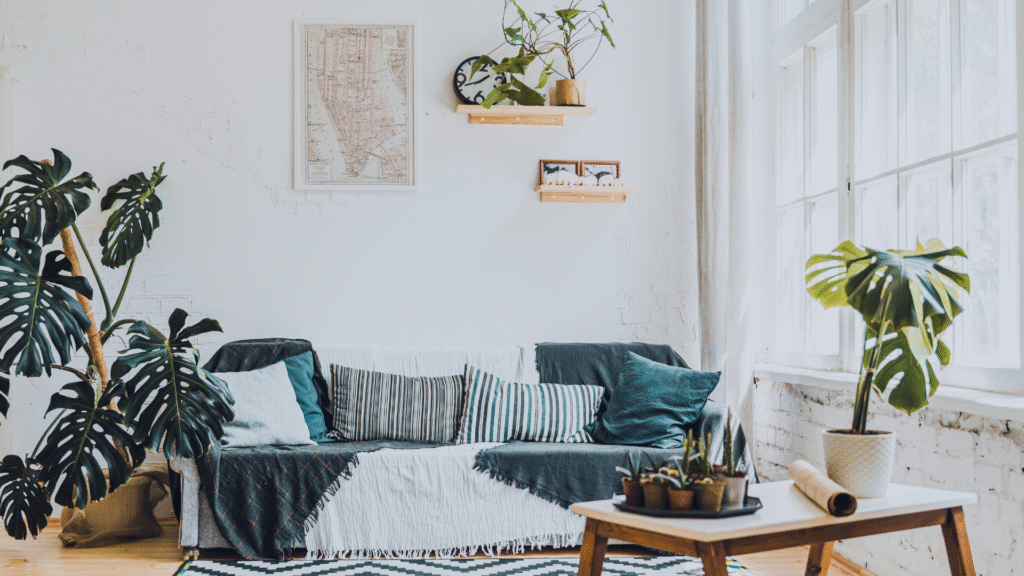
Comfort is fundamental to a peaceful home. Soft furnishings such as plush cushions, thick rugs, and upholstered chairs create inviting spaces for rest. Natural textiles like cotton, wool, and linen improve breathability and tactile appeal.
Furniture selected for ergonomic support reduces physical tension. Organised, clutter-free rooms help prevent visual stress, which supports mental ease. Temperature control and adequate ventilation maintain a comfortable atmosphere year-round.
Regularly updated soft lighting—such as table lamps or dimmers—enhances warmth without harsh glare. These elements combine to form environments where occupants feel secure and relaxed.
Embracing Natural Light and Materials
Natural light significantly influences mood and focus. Large, unobstructed windows and light-reflecting surfaces maximise daylight penetration. Positioning key furniture near these sources encourages the use of natural light during the day.
Materials like wood, stone, and bamboo add texture and a sensory connection to nature, enhancing tranquillity. They often require less artificial treatment, reducing airborne chemicals indoors.
Use of untreated or minimally processed items supports ecological balance and reduces maintenance. Natural elements bring visual warmth and a quieter atmosphere to any room.
Integrating Neutral Tones for Calmness
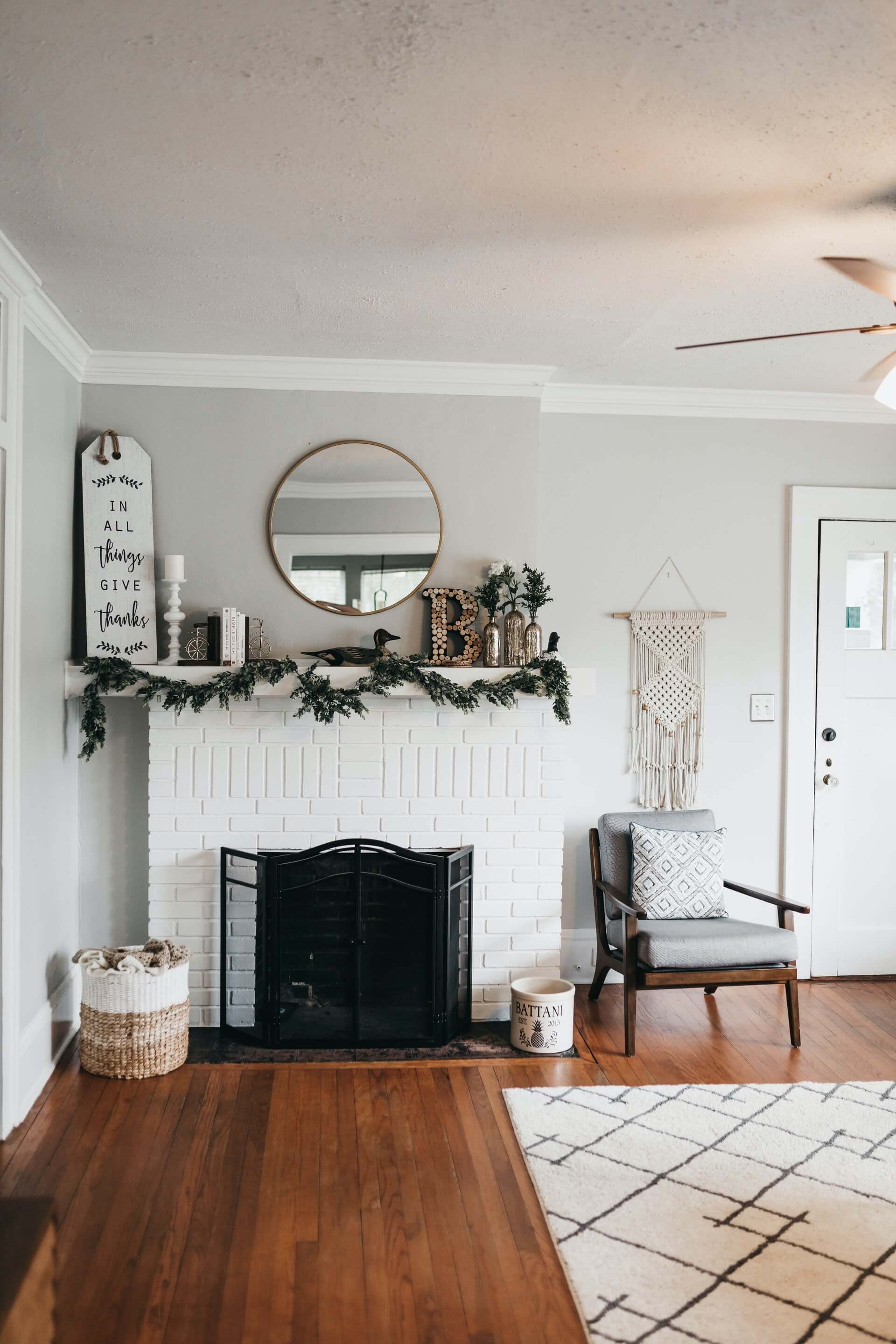
Neutral tones provide a visual foundation that promotes calm and balance. Shades like beige, soft grey, white, and muted taupe reduce overstimulation and blend easily with other colours.
These hues allow occupants to personalise spaces with accent colours without overwhelming the senses. Incorporating matte finishes instead of glossy ones helps avoid sharp reflections, maintaining softness in the room.
Using a palette of neutral colours across walls, furniture, and décor makes spaces feel open, ordered, and restful, creating a stable backdrop conducive to relaxation.
Decluttering and Mindful Organisation
Creating a living space that promotes calm begins with intentional sorting and arranging. Focusing on reducing unnecessary items and organising mindfully can transform the home environment and lower stress levels.
Strategies for a Clutter-Free Space
He or she should start by identifying areas where clutter accumulates regularly, such as counters, drawers, or hallways. A practical approach involves sorting items into keep, donate, and discard categories, prioritising what is essential and used daily.
To maintain a clutter-free space, daily habits like returning objects to designated places help prevent buildup. Incorporating mindfulness means making conscious decisions about each item’s value and role before keeping it, thereby fostering awareness of possessions.
Using clear storage containers and labels can support visual order and ease in locating items. Regular decluttering sessions, scheduled weekly or monthly, ensure the environment stays organised rather than overwhelmed.
Streamlining Furnishings and Accessories
Streamlining furniture and decorative objects simplifies the space and reduces visual noise. He or she should choose multifunctional pieces that serve practical needs while maintaining comfortable flow.
Avoiding excess ornaments, especially those that do not carry personal meaning, helps keep surfaces tidy and the atmosphere peaceful. Prioritising neutral colours and simple shapes in furnishings can add to the sense of clarity.
Every item should have a purpose or bring joy. This mindful selection prevents impulsive additions that contribute to disorder. Thoughtful spacing between furnishings allows natural light and movement, which supports a more tranquil home.
Personal Touches and Sensory Enhancements
Creating a peaceful home often relies on small, intentional details. These elements can include meaningful objects, soothing aromas, and comfortable fabrics that invite relaxation and calm.
Incorporating Personal Meaning
Personal items with emotional significance can anchor a peaceful atmosphere. Photographs, heirlooms, or artwork chosen for their calming effect help create a sense of belonging and security.
Displaying favourite books or keepsakes visibly allows them to serve as reminders of positive memories. This interaction between the environment and personal history supports emotional stability. It is important that these items feel intentional, not cluttered, to maintain a serene space.
Using Scented Candles and Essential Oils
Scent plays a powerful role in relaxation. Scented candles with gentle fragrances like lavender, chamomile, or sandalwood can create a calm environment. It is crucial to use them safely, never leaving candles unattended.
Essential oils offer versatile options for peace at home. Diffusers can disperse oils such as eucalyptus or bergamot, known to reduce stress. Selecting natural, high-quality products avoids harsh chemicals that may cause irritation or discomfort.
Layering Textiles with Cushions and Throw Blankets
Textiles add warmth and softness, enhancing comfort. Cushions provide support and can define a restful zone within a living space. Choosing fabrics like cotton or linen aids breathability and reduces overheating.
Throw blankets contribute both tactile and visual calm. Using neutral or muted colours helps maintain a tranquil aesthetic. Arranging textiles thoughtfully avoids visual clutter and invites residents and guests to unwind.
Creative Activities and Connection with Nature
Incorporating hands-on activities and elements from the natural world can foster calm and improve the atmosphere at home. These approaches provide tangible ways to reduce stress and encourage positive interactions within the household.
Engaging in Crafting and Mindful Hobbies
Crafting offers a practical method for stress relief and mental focus. Activities such as knitting, painting, or model building require attention and patience, which can slow racing thoughts. Engaging in these hobbies regularly helps create a sense of accomplishment and routine.
Mindful hobbies, including adult colouring books or simple origami, allow individuals to concentrate on the present moment. Such tasks reduce distraction and encourage a peaceful mindset. They also provide an opportunity to disconnect from digital devices and foster mindful breaks throughout the day.
Introducing Natural Elements Indoors
Bringing natural elements into the home enhances both the visual and air quality aspects of the space. Houseplants such as spider plants, snake plants, or peace lilies improve oxygen levels and add greenery that soothes the eye.
Natural materials like wood, stone, or cotton in furniture and décor create a grounding atmosphere. Even small additions like bowls of river stones, shells, or fresh herbs on windowsills provide tactile and sensory connections to nature. These details contribute to a balanced and serene environment.