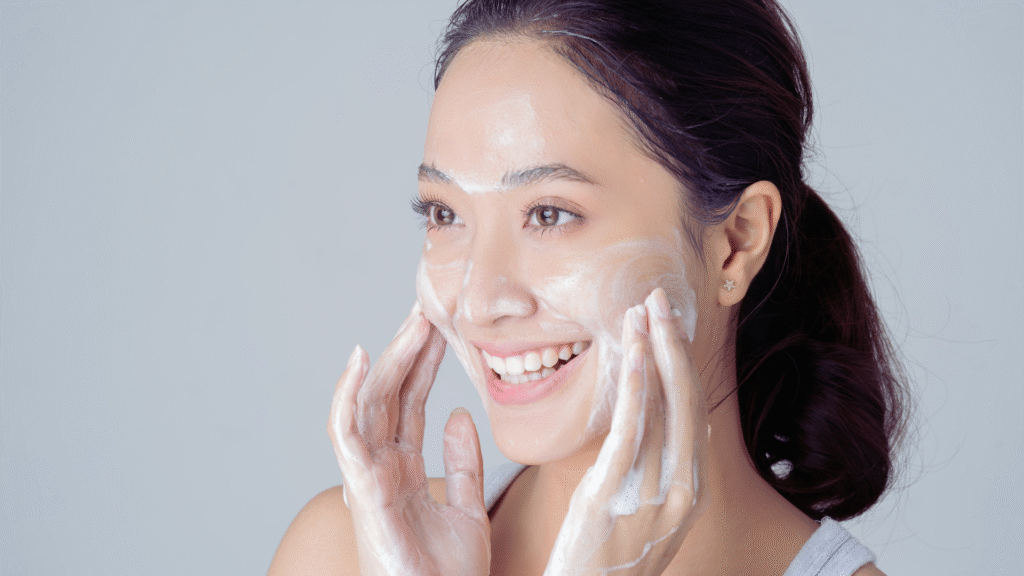


Achieving glowing skin doesn’t always require expensive products or treatments. Many individuals seek out simple, effective DIY beauty treatments that can enhance their natural glow. With a few ingredients found in their own kitchens, anyone can create skincare remedies that promote radiance and vitality.
Natural ingredients like honey, oatmeal, and avocado can transform a dull complexion into one that radiates health. The beauty of DIY skincare lies in its accessibility and versatility, allowing for custom solutions tailored to individual skin types. Readers will discover how easy it is to enhance their skincare routine with these homemade treatments.
Incorporating these natural remedies can lead to long-lasting benefits, providing nourishment and hydration that commercial products sometimes lack. Exploring the world of DIY beauty offers not just glowing skin but also an enjoyable and creative way to maintain skincare routines.
Understanding Your Skin Type
Recognising one’s skin type is essential for effective and suitable DIY beauty treatments. Different skin conditions require tailored approaches to achieve glowing skin.
Identifying Skin Conditions
To identify skin type, individuals should assess their skin’s moisture level, sensitivity, and acne tendency. There are five primary skin types:
- Normal: Balanced moisture with few imperfections.
- Dry: Often flaky or rough; may feel tight.
- Oily: Excess oil, larger pores, prone to acne.
- Combination: Oily in some areas (like the T-zone) and dry in others.
- Sensitive: Easily irritated, reacts to products.
Observing skin reactions to climate, products, and lifestyle can help determine the right type. Conducting a simple test can also assist: cleanse the face and wait for an hour, then observe oiliness or dryness.
Customising Treatments for Skin Types
Each skin type requires specific treatment strategies to enhance its health.
- Dry Skin: Use hydrating masks with ingredients like honey or avocado. Avoid alcohol-based products.
- Sensitive Skin: Opt for soothing agents such as aloe vera or chamomile. Always patch-test new ingredients.
- Acne-Prone Skin: Incorporate treatments with tea tree oil or salicylic acid. Avoid heavy creams that can clog pores.
- Ageing Skin: Look for products with antioxidants like vitamin C and retinol to promote collagen production.
Understanding skin conditions helps in selecting appropriate DIY treatments, leading to improved complexion and overall radiance.
Essential Steps for Glowing Skin
Achieving glowing skin requires a consistent routine that includes proper cleansing, exfoliation, and hydration. Each step plays a crucial role in enhancing skin health and radiance.
The Role of Exfoliation
Exfoliation is vital for removing dead skin cells that dull the complexion. A good exfoliant can brighten the skin and improve the texture. There are two main types of exfoliants: physical and chemical.
- Physical exfoliants include scrubs with ingredients like sugar or salt. They work by manually sloughing off dead skin.
- Chemical exfoliants use acids such as AHAs (alpha hydroxy acids) or BHAs (beta hydroxy acids) to dissolve dead cells.
It’s important to limit exfoliation to 1-3 times per week. Over-exfoliating can strip the skin of its natural oils and lead to irritation. After exfoliating, it’s beneficial to follow up with a serum to nourish the newly exposed skin.
Deep Cleansing Techniques
Deep cleansing helps to remove impurities and excess oils, paving the way for glowing skin. One effective method is double cleansing. This involves using an oil-based cleanser followed by a water-based one.
- Oil Cleanser: It dissolves makeup and oils.
- Water-Based Cleanser: This removes remaining dirt and debris.
Incorporating a toner can further balance the skin’s pH. Look for toners with hydrating ingredients like rose water or witch hazel. After cleansing, applying a targeted serum helps in addressing specific skin concerns, such as dullness or uneven texture.
Intensive Hydration Methods
Hydration is essential for maintaining a plump and radiant complexion. To achieve this, using a moisturiser that suits one’s skin type is crucial.
- For dry skin, choose a rich cream with ingredients like hyaluronic acid or glycerin.
- For oily skin, lighter gels or lotions provide moisture without heaviness.
Additionally, incorporating a sheet mask or hydrating mask once a week can deliver an extra boost. A hydration serum applied before moisturising locks in moisture, ensuring the skin remains healthy and glowing throughout the day.
DIY Beauty Recipes
DIY beauty treatments offer simple yet effective ways to achieve glowing skin. Recipes can utilise common kitchen ingredients to create face masks, scrubs, and toners that nourish and rejuvenate the skin.
Natural Face Masks
Natural face masks can effectively hydrate and brighten the skin. A popular option is a turmeric face mask, which combines 1 tablespoon of turmeric powder, 2 tablespoons of yoghurt, and 1 tablespoon of honey. This blend helps reduce inflammation and brightens the complexion.
Another effective mask includes honey and lemon. Mixing 1 tablespoon of honey with 1 teaspoon of fresh lemon juice creates a mask that brightens and adds moisture. Apply for 15-20 minutes before rinsing off.
For a nourishing option, shea or coconut oil can be combined with gram flour to create a hydrating mask. Mixing 2 tablespoons of the flour with enough oil for a paste will cleanse and moisturise.
Homemade Scrubs and Exfoliators
Homemade scrubs help remove dead skin cells, promoting a fresh glow. A coffee scrub is an effective solution. Combine 1 cup of coffee grounds with ½ cup of coconut oil and ½ cup of sugar. This mixture exfoliates and invigorates the skin.
Another option is a milk scrub. Mixing ½ cup of milk with ¼ cup of ground oats creates a gentle exfoliant. This scrub hydrates while sloughing off dead skin, leaving it soft and smooth.
For a refreshing twist, add rose water to any scrub. A few tablespoons mixed in can enhance the scent while providing soothing properties.
Soothing Toners and Serums
Toners and serums can balance and soothe the skin. A simple recipe involves mixing equal parts of rose water and witch hazel. This toner tightens pores and refreshes the skin.
Another effective serum combines aloe vera gel with a few drops of essential oils, such as tea tree or lavender. This blend can hydrate while also addressing acne or irritation.
For a vitamin boost, blend 1 tablespoon of honey with 2 tablespoons of green tea. This mixture acts as both a toner and a serum, delivering antioxidants to the skin.
Additional Skin Care Tips
Incorporating consistent home skin care practices can greatly enhance skin health and appearance. Focus on facials, addressing specific issues, and maintaining a routine for overall skin vitality.
Regular At-Home Facials
At-home facials provide a simple way to rejuvenate the skin. One effective method is to use steam to open pores before applying treatments.
Steps for an at-home facial:
- Steam: Boil water and pour it into a bowl. Lean over with a towel to trap steam, lasting 5-10 minutes.
- Exfoliate: Use a gentle scrub to remove dead skin cells.
- Mask: Choose a sheet mask or a clay mask enriched with hyaluronic acid to hydrate and plump the skin.
- Moisturise: Finish with a moisturiser to lock in hydration.
Incorporating aromatherapy essential oils during the treatment can enhance relaxation and improve the experience.
Targeting Specific Concerns
Focusing on specific skin concerns can yield targeted results. For instance, use products with active ingredients like hyaluronic acid for hydration or vitamin C for brightening.
Common concerns include:
- Dryness: Opt for oils or serums that provide intense moisture.
- Acne: Look for products with salicylic acid to reduce breakouts.
- Ageing: Incorporate retinol-based treatments to improve skin texture.
It is crucial to patch test any new product to avoid irritation. Additionally, regular hair treatments nourish the scalp and support healthy hair, contributing indirectly to positive skin health.
Maintaining Healthy Skin
A daily skin care routine is essential for glowing skin. Begin with a gentle cleanser to remove impurities and follow with toner to balance pH levels.
Key components include:
- Moisturiser: Use a lightweight, daily moisturiser to maintain hydration.
- Sunscreen: Apply a broad-spectrum SPF daily to protect against UV damage.
- Hands and Feet Care: Don’t neglect these areas; regular moisturising helps prevent dryness and keeps skin looking radiant.
Drinking plenty of water and eating a balanced diet rich in vitamins and antioxidants also contributes to skin health. Regular sleep and stress management play vital roles in achieving a glow.