

Styling casual looks is about balancing comfort with a sense of personal style. It involves selecting versatile pieces that work well together and create an effortless yet put-together appearance. The art lies in combining simple items thoughtfully to achieve a crisp, relaxed look without appearing careless.
Understanding fit, colour coordination, and layering are essential factors in mastering casual dressing. Accessories and footwear also play a subtle but important role in elevating a basic outfit. With a few practical tips, anyone can improve their everyday style and make casual wear look intentional and polished.
Foundations of Casual Styling
Casual styling balances comfort with a polished appearance using versatile pieces. It builds on clear distinctions between casual and smart casual, selecting key wardrobe essentials, and recognising individual preferences to create cohesive looks.
Defining Casual and Smart Casual
Casual style centres on comfort, featuring relaxed fits and informal fabrics like cotton and denim. Items such as denim jackets, T-shirts, and sneakers exemplify this approach. It’s suited for everyday wear without strict dress codes.
Smart casual introduces structure and refinement. It often includes a well-fitted blazer, chinos, and polished shoes, combining relaxed and formal elements. Smart casual outfits elevate casual basics with pieces that have sharper lines and higher-quality materials.
Knowing when to use either style depends on context. Smart casual suits casual meetings or social events, while casual is preferred for errands or downtime.
Essential Wardrobe Pieces
A functional casual wardrobe relies on a capsule wardrobe strategy—selecting versatile, interchangeable items. Key pieces include denim jackets, cardigans, well-fitted blazers, chinos, plain T-shirts, and clean sneakers.
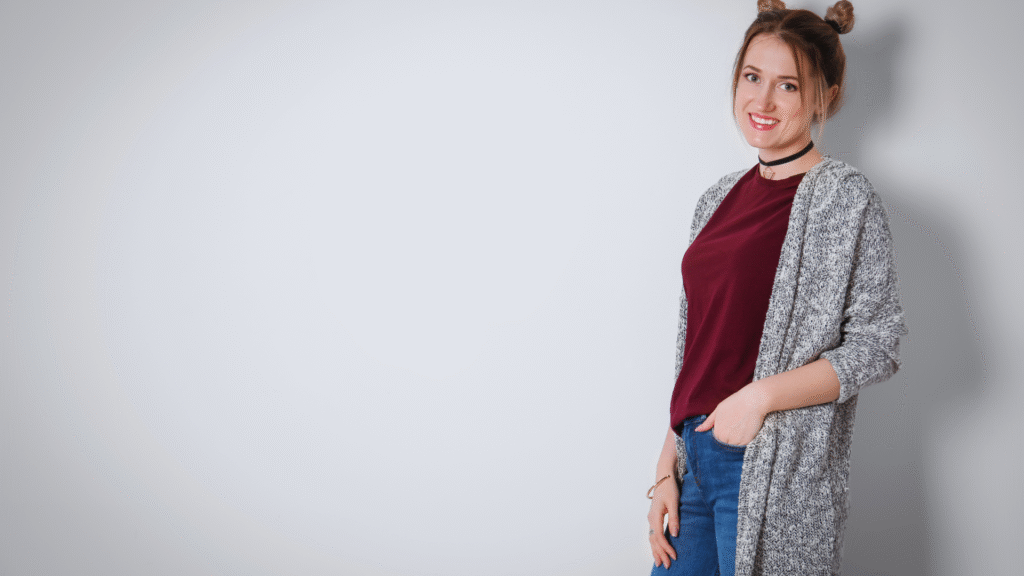
Denim jackets pair easily with almost anything and offer a rugged touch. Cardigans add texture and warmth without looking bulky. Well-fitted blazers provide structure, ideal for smart casual outfits.
Chinos act as a middle ground between jeans and formal trousers, suitable for multiple occasions. Mixing these elements offers broad styling potential with fewer items.
Understanding Personal Style
Personal style influences how casual pieces are combined and worn. It reflects individual preferences, body shape, and lifestyle needs. Identifying favourite colours, fits, and garment cuts helps maintain consistency.
He or she may favour slim or relaxed fits, muted or vibrant tones, or minimal or layered looks. The goal is to express personality while ensuring comfort and practicality.
To refine personal style, testing garment combinations within the capsule wardrobe helps clarify what works best. Adjustments can be made by swapping similar essentials until confident in everyday wear choices.
Key Principles: Colours, Fabrics, and Fit
Understanding how colours interact, the fabrics chosen, and the fit of clothes are essential to creating effective casual looks. These elements shape the overall impression and comfort level of the outfit.
Mastering Colour Theory and Palette
Colour theory helps in selecting harmonious colour palettes that enhance casual wear. Neutrals like beige, navy, and grey form a strong base, while accents in mustard, olive, or soft pastels add personality without overwhelming.
Using complementary or analogous colour combinations ensures balance. For example, pairing a navy shirt with rust trousers relies on the colour wheel for visual appeal. Avoid clashing hues such as bright reds with greens, which can disrupt cohesion.
It is useful to limit colour options to two or three per outfit. This guides simplicity and prevents the look from becoming chaotic. Textures and accessories can add depth without extra colour.
Choosing the Right Fabrics
Fabric choice affects both aesthetics and comfort. Natural fibres like cotton and silk breathe well and are suited for casual wear, especially in warmer weather. Silk, in particular, adds subtle sophistication without appearing formal.
Heavier fabrics such as denim or wool work well for layering in colder months. Blends that include synthetic fibres can improve durability but should not compromise breathability.
Fabric texture should complement the colour and fit. Smooth fabrics present a cleaner look, while textured weaves like slub cotton or tweed provide a relaxed and tactile appeal.
The Importance of Fit
Fit is crucial in casual styling and often outweighs other design elements. Clothes should follow the body’s contours without being tight or baggy. Proper fit looks intentional and comfortable.
Key areas to assess include shoulder seams, sleeve length, and waistline. Too-long or too-short garments disrupt silhouette balance. Tailoring can improve basic items significantly.
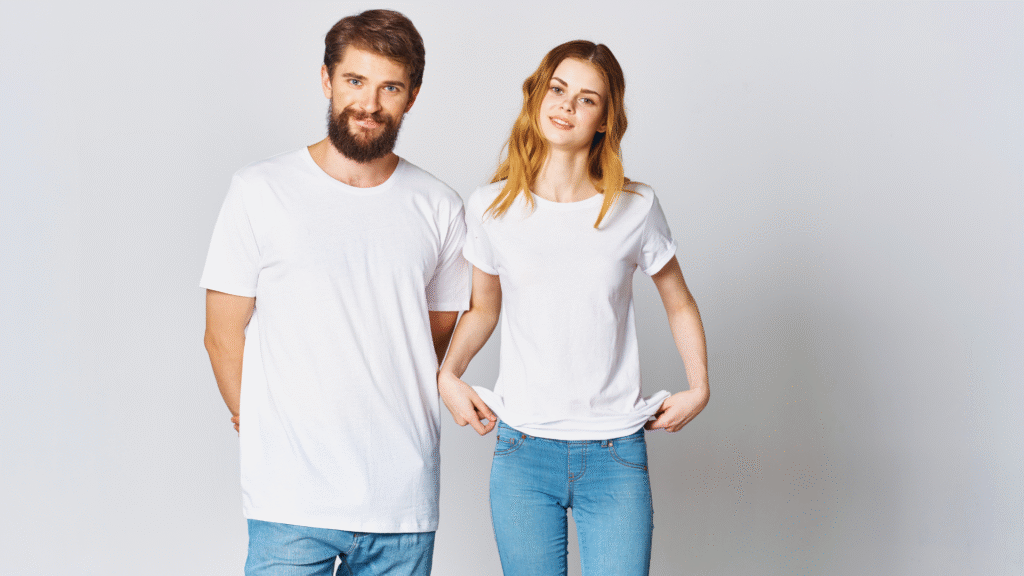
Even casual outfits benefit from structure. For example, a well-fitted t-shirt paired with slim chinos delivers neatness while preserving ease of movement and wearability.
Styling Techniques for Elevated Casual Looks
Elevating casual attire involves deliberate choices that blend practicality with refinement. Key techniques include combining textures, balancing formal and relaxed pieces, using standout items, and relying on timeless clothing to ensure both style and comfort.
Layering for Versatility
Layering allows for adaptability in appearance and comfort. A well-fitted blazer over a dress shirt paired with a denim jacket underneath offers a structured yet relaxed silhouette. This method also provides temperature control while maintaining style.
A cardigan adds softness and warmth when layered under a blazer or over casual wear, creating dimension. Coordinating colours and fabrics is essential to avoid bulk. For example, lightweight wool cardigans work well beneath heavier, sharper blazers.
Layering different lengths and textures elevates the outfit. Combining a crisp dress shirt with an open denim jacket topped by a blazer introduces contrast and sophistication without losing casual ease.
Effortlessly Mixing Formal and Informal
Combining formal wear with casual pieces creates a balanced and modern look. A dress shirt under a denim jacket paired with ankle boots merges differing styles effectively.
A well-fitted blazer worn with jeans or chinos is a prime example of informal meets formal. The blazer adds polish, while casual bottoms maintain comfort.
Avoid overdoing formal details; choose one or two key formal elements instead. For instance, cuffing shirt sleeves under a cardigan or blazer softens formality while keeping the outfit polished.
Statement Pieces and Details
Statement items can transform basic casual outfits into striking ensembles. An ankle boot with unique stitching or a bold leather finish immediately elevates simple jeans and a shirt.
Accessories such as belts or watches contribute subtle but intentional detail. Choosing distinctive buttons or patterned dress shirts under layers creates visual interest without overwhelming the look.
Focus on quality and fit in statement pieces. A well-cut blazer or a neatly tailored denim jacket works better than overly flamboyant items. Details like polished hardware or contrast stitching enhance overall appeal.
Incorporating Classic Staples
Classic staples form the foundation of elevated casual. A crisp white dress shirt pairs with virtually any layering piece, from a cardigan to a blazer.
Denim jackets remain versatile essentials, bridging streetwear and refined style alike. Consistent fit and minimal distress maintain their elevated status.
Ankle boots provide rugged sophistication, adaptable to many casual combinations. Their clean shape fits well under chinos or tailored jeans, providing a sharp finish. Classic clothing allows easy mixing and matching for effortless style.
Finishing Touches: Accessories and Individual Flair
Small details elevate casual outfits and personalise the style. Selecting the right accents, such as jewellery, scarves, or hats, can sharpen the overall look without overpowering it.
Accessorising with Intention
Accessories should complement the outfit, not compete with it. Choosing items that enhance colour, texture, or shape keeps the look cohesive. For example, a leather belt matching a watch strap adds harmony.
Minimalism often works best. Wearing too many accessories can clutter the look, so focusing on one or two key pieces—like a bold bracelet or delicate necklace—makes a clearer statement.
Function also matters. Sunglasses with UV protection or a stylish yet practical bag add value while contributing to the outfit’s personality.
Ties, Pocket Squares, and Personal Touches
Casual ties, like knitted or slim wool options, add relaxed sophistication. They work well under unstructured blazers or with rolled-up sleeves for a laid-back vibe.
Pocket squares provide subtle colour and pattern contrasts. A linen square with a muted pattern can raise a plain jacket without looking formal.
Personal touches might include unique lapel pins or cufflinks that reflect interests or heritage. These small details express identity while maintaining effortless appeal.
Footwear Choices
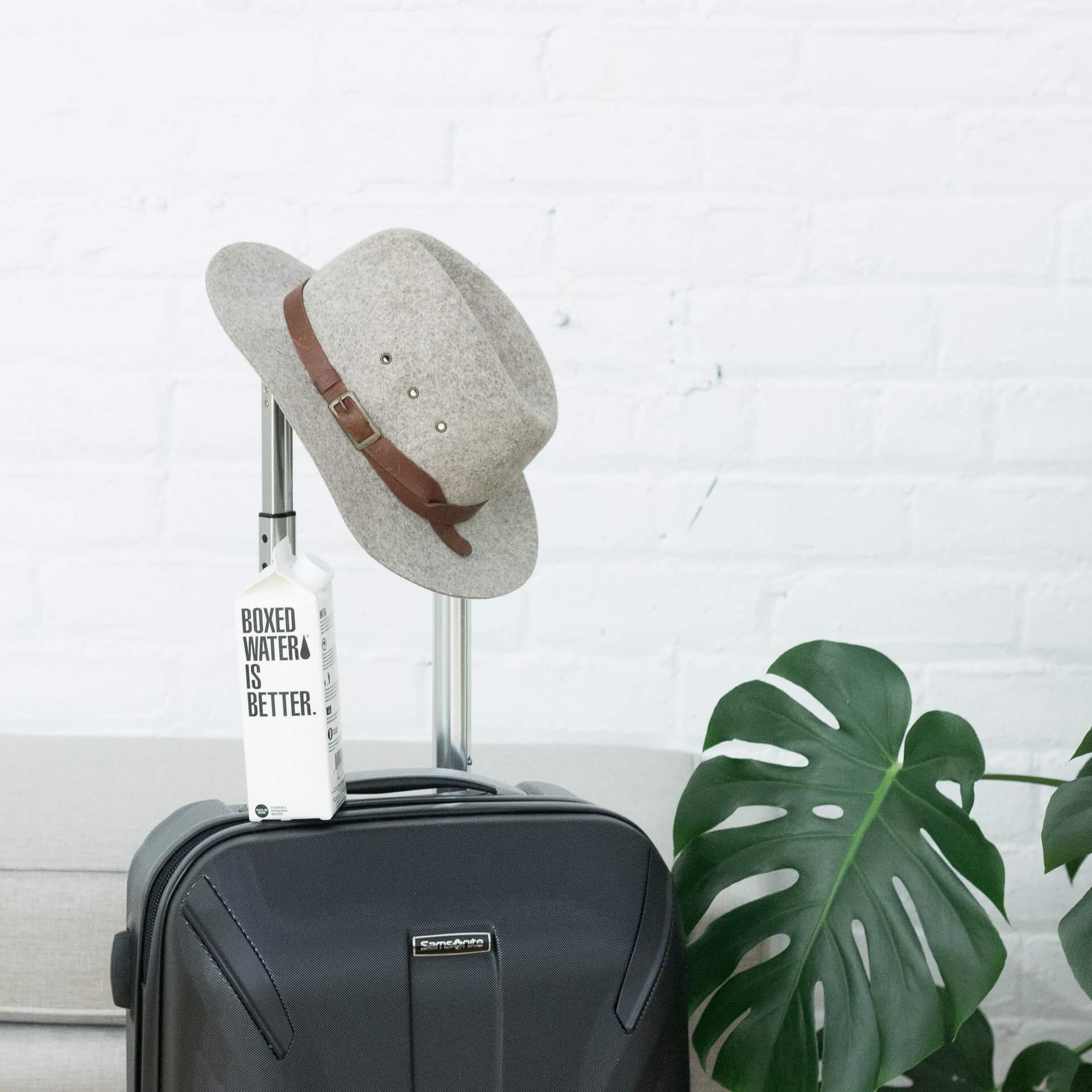
Footwear sets the tone of a casual outfit. Ankle boots are versatile, pairing well with jeans, chinos, or skirts. Choose leather or suede in neutral shades for maximum adaptability.
Sneakers offer a sporty twist but should be clean and understated to avoid looking sloppy. Loafers or brogues can lend a slightly dressier edge if the occasion calls for it.
Comfort remains essential. Well-made shoes that fit properly ensure the wearer looks confident and feels at ease throughout the day.