

Dressing with ease and purpose means choosing clothes that suit both the occasion and personal style without stress. The key is to build a simple, versatile wardrobe focused on quality pieces that work well together. This approach saves time and reduces decision fatigue.
Understanding one’s clothing needs and preferences lets someone dress confidently every day. Instead of following every trend, prioritising comfort and functionality allows for a more intentional wardrobe. This method ensures that outfits are practical and reflect personality.
Knowing a few basic styling principles also helps create polished looks quickly. Minimal effort can yield maximum impact by selecting coordinated colours and appropriate fits. This pragmatic strategy streamlines dressing while maintaining a clear sense of style.
Understanding Dressing With Ease and Purpose
Dressing with ease and purpose means selecting clothing that simplifies decisions while supporting specific intentions each day. This approach balances comfort with clear goals to ensure every outfit serves a function beyond style alone.
Defining Ease and Purpose in Personal Style
Ease in dressing refers to the ability to quickly choose clothes without stress or confusion. This often involves having a streamlined wardrobe with versatile, well-fitting pieces. Purpose means dressing intentionally to reflect one’s role, mood, or objective, such as dressing for success in a business meeting or prioritising comfort on a casual day.
A combination of ease and purpose creates a purposeful personal style that minimises decision fatigue. By prioritising functional and meaningful clothing, individuals experience less morning friction and are more prepared for their day’s demands.
Psychological Benefits of Dressing Intentionally
Dressing with purpose influences mindset and confidence. When an outfit aligns with goals, like professional attire for a key presentation, it can reduce anxiety and boost self-assurance. This reinforces positive behaviours and performance.
Intentional dressing also encourages self-respect and enhances motivation. By choosing clothes that fit the desired outcome, individuals feel more in control. This psychological boost is a key benefit in environments that reward appearance and presence, such as workplaces where dressing for success matters.
Aligning Outfits With Your Daily Goals
Understanding daily activities helps in selecting the right clothes to support them. If a day includes meetings, selecting tailored pieces that communicate professionalism is crucial. For creative tasks, comfortable yet stylish outfits may improve focus and creativity.
Planning outfits that match daily goals reduces wasted time and improves effectiveness. Keeping a simple system, such as outfit templates or a capsule wardrobe, can ease this process. Clothes then become tools that enhance productivity, rather than obstacles.
Essential Principles for Simplifying Your Wardrobe
A simplified wardrobe focuses on versatility, comfort, and timeless pieces. By choosing items with purpose, one can reduce decision fatigue and maintain a polished appearance with minimal effort.
Building a Versatile Capsule Collection
A capsule collection includes a limited number of interchangeable items. These pieces should cover various occasions without overlapping too much.
Focus on neutral colours like black, navy, grey, and white, which mix easily. Choose around 30-40 items, including tops, bottoms, and outerwear.
Each item should complement several others, allowing for multiple outfits. Prioritise quality over quantity to ensure longevity. Avoid trends that may quickly go out of style.
Prioritising Comfort and Functionality
Comfort is crucial for dressing with ease. Clothes should fit well and allow free movement throughout the day. Fabric choice matters — natural fibres like cotton, linen, and wool often provide better comfort.
Functionality includes ease of care and suitability for daily activities. Consider pockets, adjustable features, or wrinkle-resistant fabrics when selecting items.
Comfort doesn’t mean compromising style. Well-fitted, simple pieces can be both comfortable and appropriate for work or social settings.
Curating Timeless Wardrobe Staples
Timeless staples form the foundation of a simple wardrobe. Examples include a white button-down shirt, a tailored blazer, dark jeans, and a classic trench coat.
Choose cuts that flatter the body shape but avoid overly trendy details. These staples should last through seasonal changes and multiple years.
A concise list of essentials can help, such as:
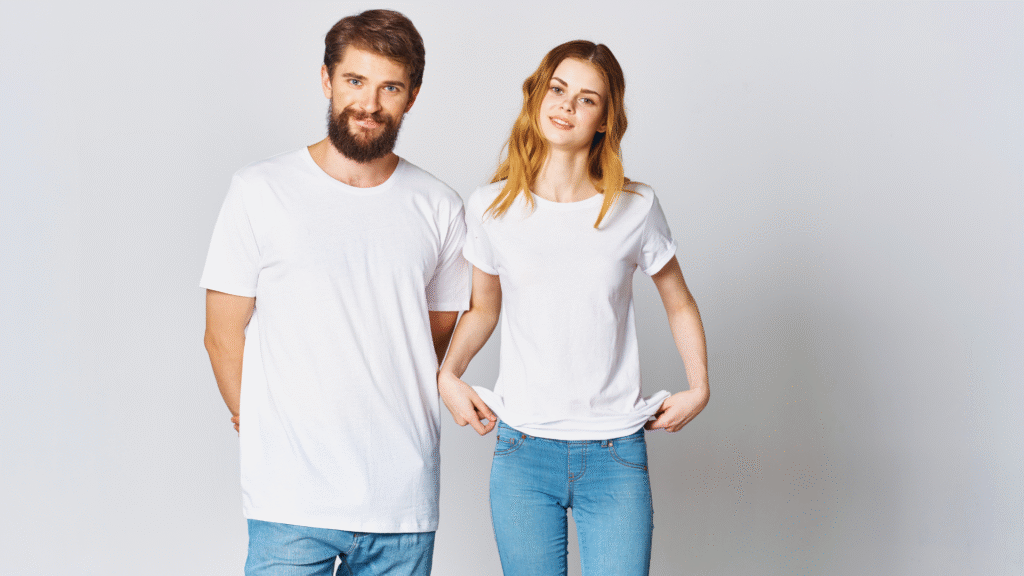
- Plain t-shirts (white, black, grey)
- Classic denim
- Neutral-coloured knitwear
- Minimalist footwear like loafers or ankle boots
Investing in these staples supports a consistent and purposeful style.
Adapting Style to Different Environments
Dressing appropriately requires understanding the expectations and functionality of each setting. Choices around business attire, social transitions, and remote or travel situations demand thoughtful consideration of fabrics, cuts, and accessories to maintain comfort and professionalism.
Navigating Business Casual and Professional Attire
Business casual often blends comfort with professionalism. For men, chinos paired with button-down shirts and loafers usually suffice. Women might opt for tailored trousers or skirts with blouses and modest heels or flats.
Professional attire demands sharper tailoring and often darker, neutral colours. Suits, blazers, and crisp shirts are essential. Accessories such as leather belts, watches, or simple jewellery enhance the look without overpowering it.
Fabric choice is important. Wool blends and cotton retain formality. Avoid overly casual fabrics like denim or bright prints in professional settings, prioritising clean, polished garments.
Transitioning From Work to Social Settings
A practical wardrobe includes pieces that effortlessly shift from office to evening. Heels or smart shoes can transform a work outfit; a blazer can be removed to relax the look.
Women might switch a blouse for a statement top or add bold accessories. Men could swap a tie or change a shirt for a pattern to create a less formal vibe.
Layering helps manage temperature and style. Keeping a jacket or tailored coat handy allows quick adjustment. The aim is to balance professionalism and social ease without needing a full outfit change.
Dressing With Intention for Remote Work and Travel
Remote work calls for clothes that balance comfort with a polished appearance. Stretch fabrics, breathable knits, and simple cuts help maintain a put-together look on video calls.
Travel requires versatile clothing that adapts to varying climates and activities. Lightweight layers, wrinkle-resistant materials, and multipurpose shoes simplify packing.
Organising outfits around key pieces reduces stress. Neutral colour palettes and mix-and-match items create cohesion, making dressing faster and more purposeful during travel or remote days.
Expressing Individuality Through Purposeful Outfits
Dressing with purpose means combining style with function, ensuring every choice reflects personal identity while fitting practical needs. It involves adapting to life changes and maintaining confidence through deliberate wardrobe decisions.
Balancing Personal Flair With Practicality
They can express individuality by selecting pieces that showcase their personality but also serve everyday requirements. For example, a bold blazer can stand out yet remain suitable for office environments. Accessories like statement watches or unique scarves add subtle distinctiveness without compromising comfort.
Choosing fabrics that suit the climate and activity is vital. Breathable materials or stretch fabrics enhance wearability while allowing for stylistic expression. Prioritising versatile items, such as neutral-coloured trousers paired with patterned tops, creates multiple outfit options that combine interest with usability.
Evolving Your Style to Match Life Changes
As circumstances shift—career, hobbies, or family life—so should wardrobe choices. Someone moving into a corporate role might transition to structured, tailored pieces that convey professionalism. In contrast, a parent juggling childcare may opt for durable, easy-care clothing that still reflects their taste through colours or cuts.
Regularly reassessing the wardrobe, donating outdated or ill-fitting items, helps maintain relevance. Introducing fresh elements slowly, such as new footwear styles or updated outerwear, keeps the style current without losing core individual elements.
Sustaining Confidence in Your Wardrobe Choices
Confidence grows from knowing clothing fits well, suits the occasion, and reflects personal values. They should invest time in proper fit adjustments, like tailoring, to ensure garments flatter their body shape. Consistency in colour palettes or signature styles builds familiarity and comfort.
It’s useful to create a capsule wardrobe of key favourites to rely on during busy days. This foundation supports confident decisions and reduces daily stress. Finally, avoiding trends that feel forced prevents wardrobe fatigue and preserves authenticity.